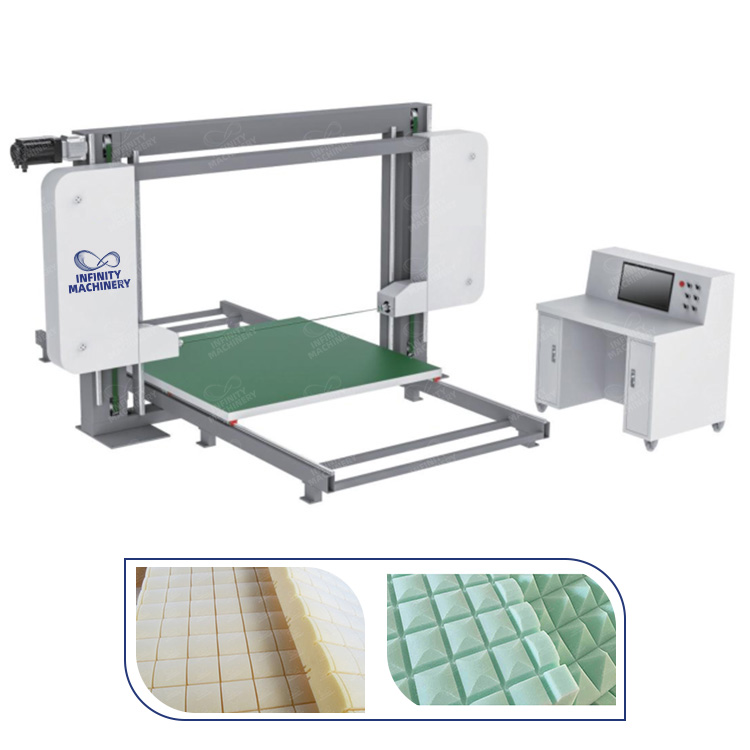
The useful question is not whether foam dust exists; it is where the dust is being created, where it is escaping and why the same production routine exposes the problem. Start with the filter, duct, blade and scrap path, then compare the audit with the foam batch and program. The IF-CNCH Horizontal Blade Foam Cutting Machine gives a factory a concrete cutting-line reference for discussing blade access, extraction and service. Connect that review to a complete mattress machinery solution and use the machinery operations library to keep the audit repeatable.
A dust spike that arrives on the same weekday is valuable evidence. It may follow a filter-cleaning cycle, a particular foam grade, a high-volume cutting schedule, a shift handoff or a scrap-bin routine. If the team replaces a filter before recording the pattern, the original signal disappears and the next Tuesday becomes another guess.
Create a short event record: date, shift, foam family, block thickness, program, blade condition, filter condition, duct path and the location where dust was first seen. The record does not need a laboratory instrument. Its purpose is to compare like with like and identify whether the dust follows the material, the machine setting or the maintenance calendar.
The first audit zone is the extraction path. A filter can look clean from the outside while its working surface is loaded, a duct can collect dust at a bend and a loose connection can release particles before they reach the collector. A filter audit therefore follows the air path from the cutting zone to the discharge point instead of checking only the filter face.
Check the filter condition, the seal, the duct joints, the collection bin and the cleaning method. Record whether the pressure or airflow signal changes after cleaning, but do not treat one reading as a universal specification. The useful baseline is the machine in a known good condition with the same foam family and a clean work area. When the next Tuesday differs from that baseline, the team has a direction for investigation.
The second audit zone is the cutting action. Foam dust can increase when the blade is worn, the blade path is unstable, the feed is too aggressive for the material or the block is not supported. A clean extraction path cannot turn a torn cut into a clean cut. Look at the edge of the foam, the shape of the scrap and the dust distribution around the blade.
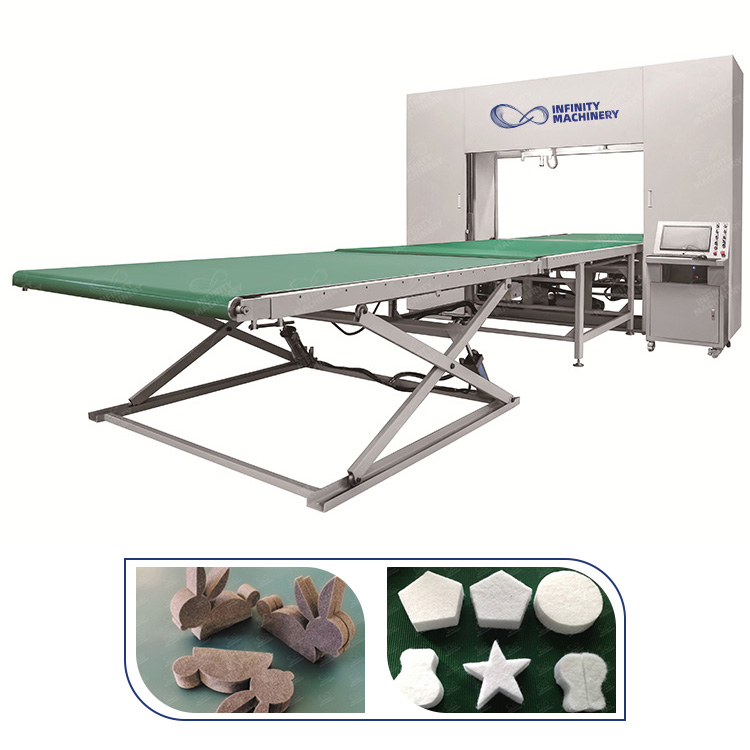
Use a short test cut with the same block family. Compare the cut edge, the amount of loose crumb, the feed behavior and the dust position. If the edge is torn and dust stays near the blade, inspect the blade and feed. If the edge is clean but dust travels away from the duct, inspect extraction. The IF-CNCV CNC Contour Sponge Cutting Machine is a useful comparison when the factory needs to discuss contour work, blade control and service access rather than simply choosing a larger machine.
The third audit zone is everything around the cut. Scrap that sits under the table, a bin that is filled beyond its useful level and a shift that cleans without recording the condition can make a normal dust level look like a sudden equipment failure. Housekeeping is part of the dust-control process because loose foam can be moved by carts, shoes and compressed air long after the cut has ended.
Define the cleaning sequence and the handover point. Remove scrap before it blocks the air path, clean from the upper surface toward the collection point, avoid blowing particles into open production areas and record the filter and bin condition at the end of the shift. The record should identify the person who checked it and the next action, not just say clean. A useful handover makes the Tuesday pattern visible to the next team.
The audit should be short enough to run and detailed enough to compare. Start with the Tuesday event, inspect the air path, run the material test, review the cutting edge and complete the housekeeping handover. Do not change the filter, blade and program at the same time, because a multi-change repair removes the evidence needed to understand the source.
Use a one-change rule during diagnosis. If the filter condition is clearly outside the service plan, service it and record the change. If the filter is acceptable but the cut edge is torn, move to blade and feed checks. If both are acceptable but dust escapes at a joint, repair the air path. The worksheet becomes more valuable with every Tuesday because it turns a repeated complaint into a traceable maintenance decision.
Equipment selection should include the dust-control process from the beginning. Ask where the extraction connection sits, how the blade is accessed, how scrap is removed, how the operator reaches service points and which foam families the line must handle. A product card can show a machine, but the factory decision also needs the material path, the maintenance path and the cleaning path.
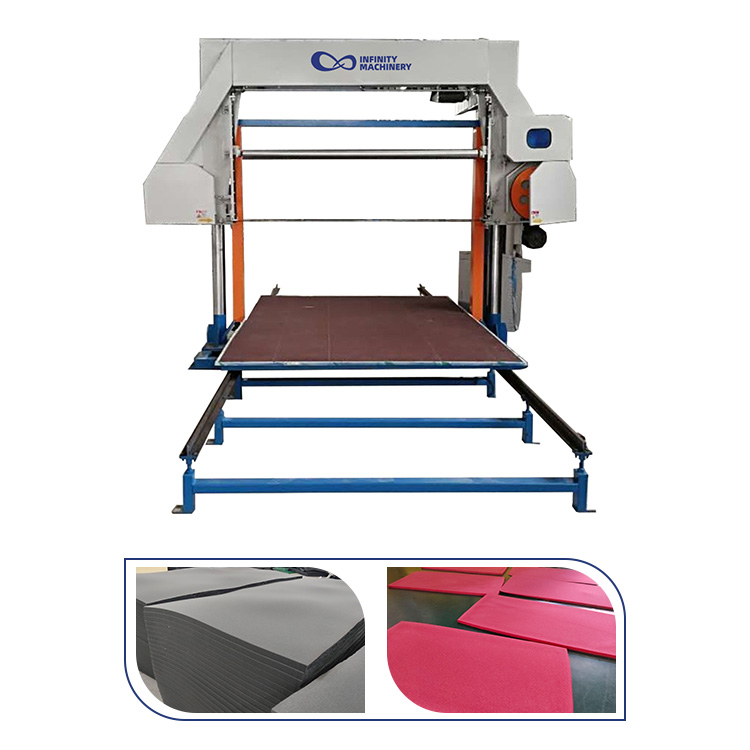
The IF-FPQ1-1650/2150 Horizontal Foam Cutting Machine offers another reference for large-format horizontal cutting discussions. Compare it with contour and horizontal blade options using the actual block size, cut shape, service access and extraction layout. Then send the floor plan to our team through the solution page so the machine conversation includes the whole line instead of one isolated station.
Send your foam type, cutting program, dust location and floor-plan details to our team. We can help turn the filter audit into a practical cutting-line and service plan.