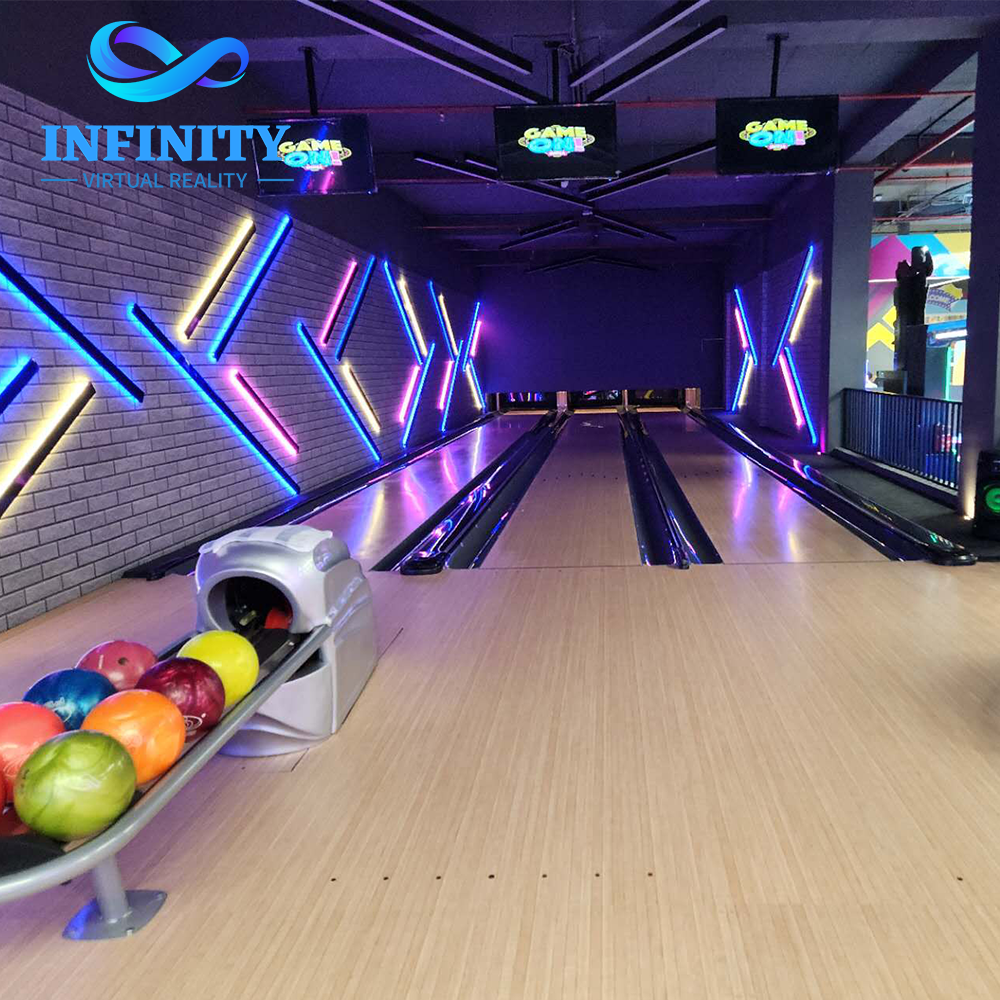
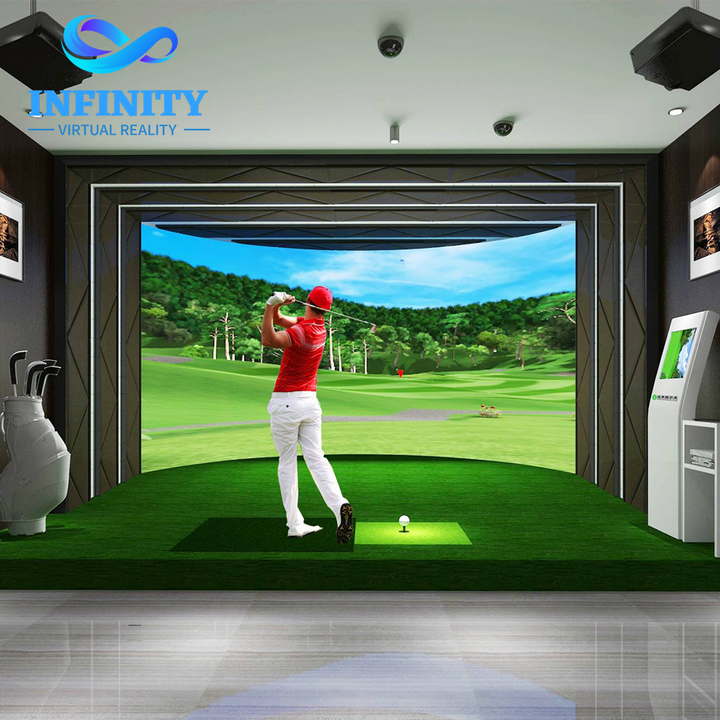
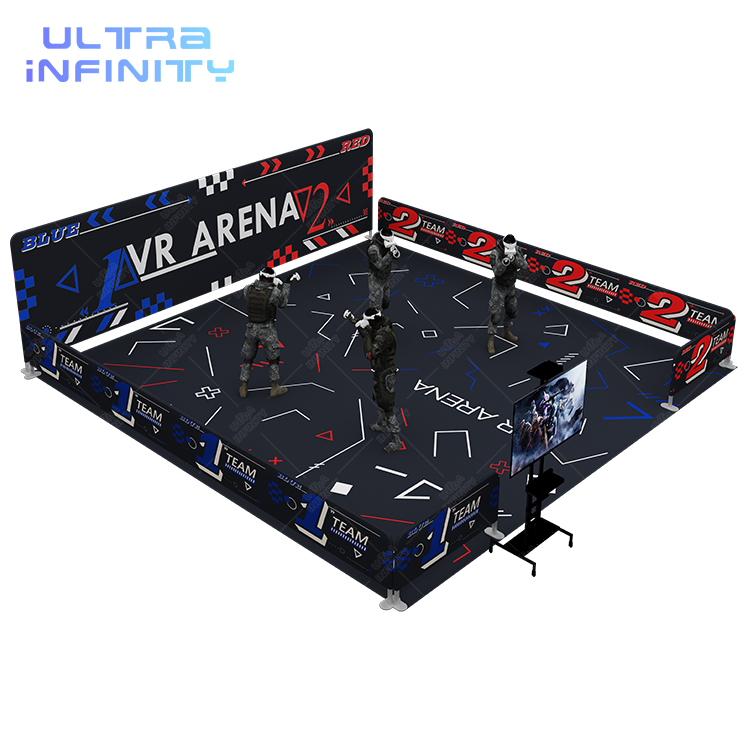
The following equipment units form the primary revenue-generating hardware for the commercial venue described in this guide.
Explore the equipment referenced throughout this guide: Duckpin Bowling System for Full Venue Solution - Space-Saving Design & Easy Installation - Ideal for Bars, Hotels and Boutique Venues Professional Training Commercial Use Indoor AR Golf Simulator Full Set With High-Speed Camera Detector 4K Laser Projector Free Roaming VR Arena 2.0 - Multiplayer VR Walking Shooting Simulator. Each unit is engineered for commercial-grade reliability and backed by full factory support.
The combination of bowling, mini golf, and VR creates a venue that appeals to the widest possible demographic. Bowling attracts families and casual groups, mini golf appeals to couples and friend groups, and VR draws technology enthusiasts and younger visitors. Each attraction has a different peak usage pattern: bowling peaks during evening hours, mini golf peaks during afternoon family time, and VR peaks during weekend afternoons. This complementary scheduling means the venue generates consistent revenue throughout all operating hours rather than experiencing extreme peaks and valleys.
Demographic Coverage: All ages 6+; Peak Patterns: Complementary across day parts; Revenue Consistency: 85% utilization rate achievable; Customer Mix: 40% families, 30% groups, 20% couples, 10% corporate
The success of a multi-attraction sports entertainment center depends heavily on location. Target areas with household incomes above $60,000, population density above 500 people per square kilometer, and limited existing entertainment competition within a 15-minute drive radius. The ideal site has high visibility from a main road, adequate parking (minimum 1 space per 8 square meters of attraction space), and zoning that permits entertainment use. Analyze the trade area population within 10, 15, and 20 minute drive times to estimate your addressable market.
Target Income: $60K+ household; Population Density: 500+ per sq km; Competition Radius: 15-minute drive; Parking: 1 per 8 sqm; Trade Area Analysis: 10-20 minute drive times
A combined bowling, golf, and VR venue requires 600-1200 square meters depending on the number of lanes and attraction density. The recommended allocation is: 35 percent for bowling (including lanes, seating, and approach area), 25 percent for mini golf (9-12 hole course), 20 percent for VR experience zones (2-4 pods), 15 percent for food and beverage, and 5 percent for reception and circulation. The layout should follow a natural flow from reception through the highest-impact attractions to the food and beverage area.
Total Space: 600-1200 sqm; Bowling: 35% of space; Mini Golf: 25%; VR Zone: 20%; F and B: 15%; Reception and Circulation: 5%
For bowling, choose between duckpin bowling (smaller, lower cost, family-friendly) and string bowling (traditional, higher capacity). Duckpin systems cost $30,000-$60,000 per lane and are ideal for venues under 800 square meters. For mini golf, AR-enhanced systems with electronic scoring and themed holes command higher per-game fees than traditional putt-putt setups. For VR, free-roam systems with wireless headsets provide the most immersive experience but require more space per player than stationary pods.
Duckpin Bowling: $30K-$60K per lane; String Bowling: $50K-$80K per lane; AR Mini Golf: $25K-$45K for 9 holes; Free Roam VR: $35K-$65K per zone; Stationary VR Pod: $15K-$25K per unit
Implement a multi-tier pricing model that maximizes revenue across different customer segments. The base tier is per-game pricing for walk-in visitors. The premium tier is time-based unlimited play passes for groups and parties. The corporate tier is event packages with dedicated space, catering, and custom programming. Dynamic pricing adjusts rates based on day of week and time of day, with peak weekend evening rates 30-50 percent higher than off-peak weekday afternoon rates.
Per-game Pricing: $5-$12 per game; Time Pass: $25-$45 per person for 2 hours; Corporate Package: $500-$2000 per event; Dynamic Pricing Range: 30-50% peak vs off-peak; Average Revenue per Visit: $28-$42
Deploy an integrated venue management system that connects all attractions to a central booking and scoring platform. The system should handle online reservations with deposit collection, real-time lane and pod availability display, automated scoring across all attraction types, customer loyalty program tracking, and comprehensive revenue reporting. Integration with POS systems for food and beverage creates a unified transaction flow.
Management Platform Cost: $300-$600/month; Online Booking Adoption: 45-60% of all reservations; Loyalty Program Members: 2000-5000 in Year 1; Reporting: Daily, weekly, monthly dashboards
Design the F and B operation as an integral part of the entertainment experience, not a separate restaurant. The ideal format is a casual dining and bar concept with menu items that can be prepared quickly and eaten between games. Include shared platters, handheld items, and a curated beverage selection. The bar area should be positioned to provide views of the bowling lanes, creating a social atmosphere that encourages longer stays and higher spending.
Menu Items: 25-35 items; Average Preparation Time: Under 12 minutes; Average F and B Spend: $14-$22 per person; Bar Revenue Share: 40% of F and B; Table Turnover: 2.5-3.5x per peak hour
Begin marketing 8-12 weeks before opening with a phased approach: awareness building through social media and local PR, pre-sale booking offers for early adopters, and a grand opening event with influencers and media. The first 90 days after opening are critical for establishing search engine rankings and review site profiles. Invest in Google Business Profile optimization, collect reviews from every satisfied customer, and maintain active social media posting with video content of real customer experiences.
Pre-Launch Marketing: 8-12 weeks; Grand Opening Budget: $5K-$10K; Google Reviews Target: 100+ in first 90 days; Social Media Posting: 3-5 times per week; Customer Acquisition Cost Target: Under $12
Hire for attitude and train for skill. The ideal sportainment center team includes a venue manager, shift supervisors, floor staff who can operate all attraction types, a dedicated F and B team, and a part-time technical support person. Cross-training all floor staff on every attraction type provides scheduling flexibility and ensures consistent customer experience regardless of which staff members are on duty.
Total Staff: 8-12 for full operation; Training Duration: 1 week comprehensive; Cross-Training: All staff on all attractions; Manager-to-Staff Ratio: 1:6; Labor Cost Target: 18-22% of revenue
Total investment for a combined bowling, golf, and VR venue ranges from $250,000 to $600,000 depending on scale and equipment choices. Monthly operating costs typically run $35,000-$55,000 including rent, labor, utilities, equipment maintenance, and marketing. Projected monthly revenue at stabilization is $65,000-$95,000, yielding a net margin of 15-25 percent. The typical investment recovery period is 14-20 months with consistent execution of the business plan.
Total Investment: $250K-$600K; Monthly Operating Costs: $35K-$55K; Stabilized Revenue: $65K-$95K/month; Net Margin: 15-25%; ROI Timeline: 14-20 months
After stabilization, focus on three growth levers: increasing revenue per customer through upselling and cross-selling, improving operational efficiency to reduce costs, and expanding capacity through extended hours or additional attraction lanes. Regular content updates for VR experiences and seasonal programming for bowling and mini golf maintain customer interest and drive repeat visits. Annual equipment upgrades or additions keep the venue competitive.
Revenue Growth Target: 10-15% annually; Cost Reduction Target: 3-5% annually; Content Update Cycle: Quarterly; Equipment Upgrade: Annual; Customer Retention Rate Target: 45%+
The most critical mistakes are: underestimating total project costs by 20-30 percent (always add a contingency buffer), choosing equipment based on lowest price rather than durability and support, neglecting the food and beverage concept during the planning phase, and failing to allocate enough budget for post-opening marketing. The first 6 months after opening require aggressive marketing spend to build awareness and establish your venue in the local entertainment landscape.
Contingency Buffer: 20-30% of total budget; Equipment Selection: Durability over price; F and B Planning: Start during design phase; Marketing Budget First 6 Months: 12-15% of projected revenue
Q: What is the minimum investment to open a bowling, golf and VR venue? A: $250,000 for a compact 600 sqm setup with 2 duckpin lanes, 9-hole mini golf, and 2 VR pods. Q: How many staff do I need? A: 8-12 for full operation across all shifts. Q: What permits are required? A: Business license, entertainment license, food service permit, and fire safety certification. Q: How long from planning to opening? A: 6-9 months including equipment procurement and construction.
See FAQ section above for details and answers to common questions.
| Component | Budget Range | Space | Monthly Revenue | Notes |
|---|---|---|---|---|
| Duckpin Bowling (2 lanes) | $60K-$120K | 70-90 sqm | $8K-$14K | Family-friendly, lower maintenance |
| String Bowling (2 lanes) | $100K-$160K | 80-100 sqm | $10K-$18K | Traditional, higher capacity |
| AR Mini Golf (9 holes) | $25K-$45K | 80-120 sqm | $6K-$12K | Themed holes, electronic scoring |
| Free Roam VR (2 zones) | $70K-$130K | 50-80 sqm | $8K-$16K | Wireless headsets, multiplayer |
| F and B Area | $30K-$60K | 60-100 sqm | $10K-$18K | Casual dining + bar concept |
| Total Venue | $285K-$515K | 340-490 sqm | $42K-$78K | Full-service sports entertainment |
Request a free venue assessment. We analyze your space, target market, and budget to recommend the ideal attraction mix.